Tree Canopy Thinning in Allentown, PA
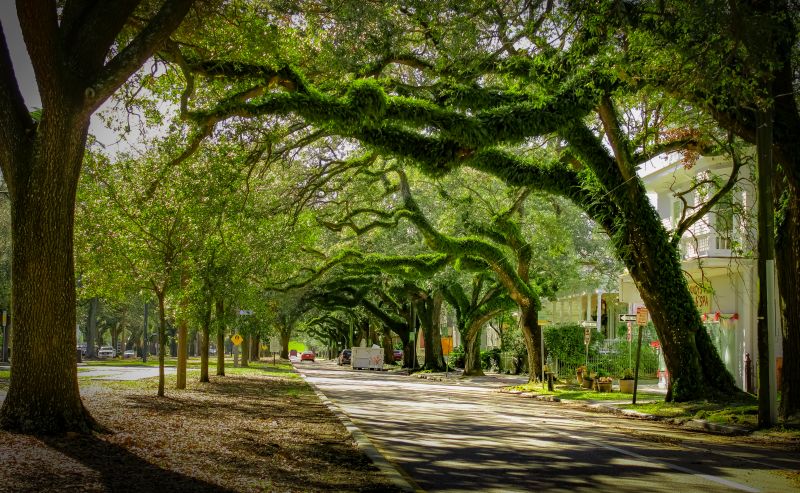
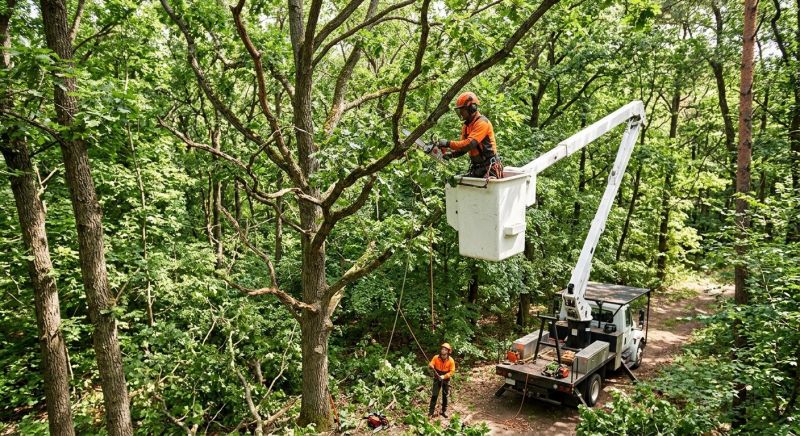
Tree canopy thinning services involve selectively reducing the density and size of tree branches and foliage to improve overall tree health, enhance sunlight penetration, and prevent potential hazards caused by overgrown canopies. These projects typically include removing dead or weak branches, reducing excessive leaf coverage, and shaping the canopy to promote better airflow and growth. Homeowners often request this service to maintain the safety and appearance of their trees, especially in areas where overgrown branches might interfere with structures, power lines, or outdoor activities.
Property owners considering tree canopy thinning should understand that the process requires careful assessment of each tree’s structure and health. It is important to communicate any specific concerns, such as safety issues or aesthetic preferences, before requesting the service. Proper thinning can help prolong the life of mature trees, reduce the risk of storm damage, and improve the overall landscape, making it a valuable maintenance step for preserving the safety and beauty of residential properties.
Many property owners in Allentown, PA look into Tree Canopy Thinning for repairs, replacements, upgrades, and appearance-related improvements.
Tree Canopy Thinning Benefits
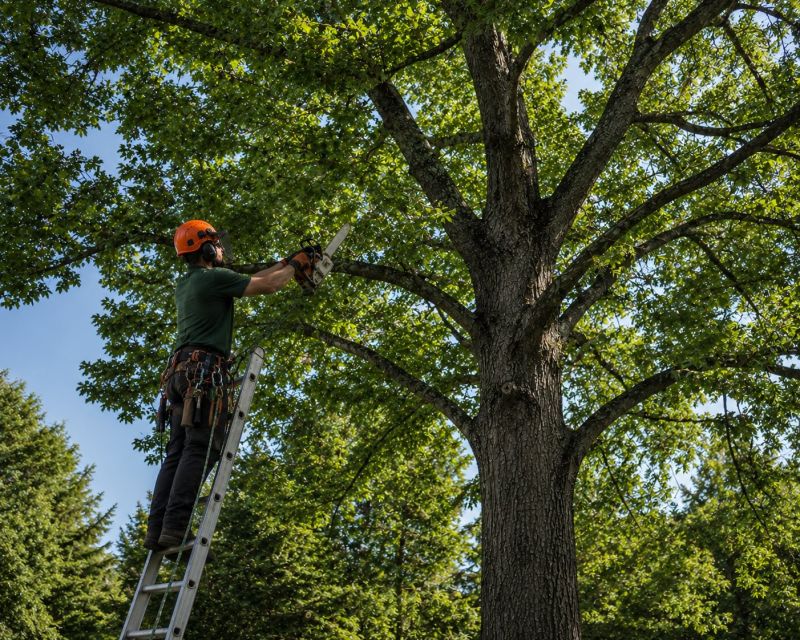
Thinning helps improve air circulation and sunlight penetration for healthier trees.
Common Reasons For Thinning
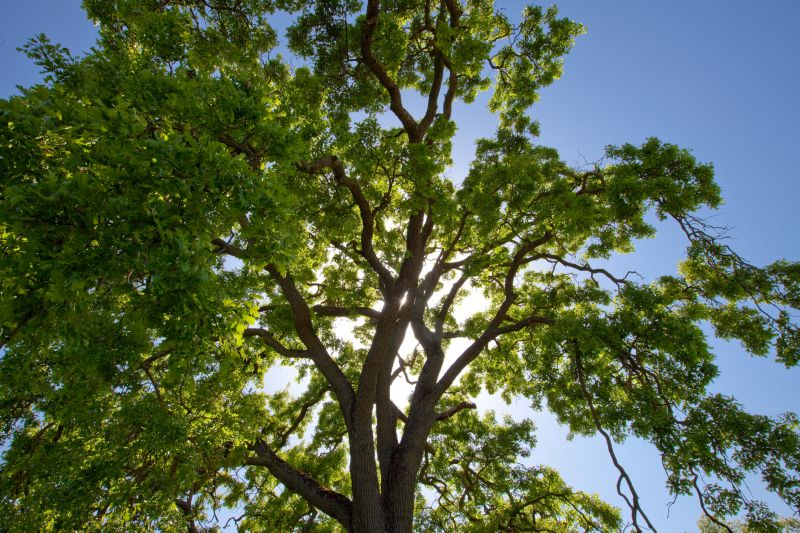
Property owners often request thinning to reduce weight and prevent storm damage.
Considerations Before Thinning
Proper assessment ensures the health of the tree is maintained while achieving desired clearance.
Tree Canopy Thinning in Allentown, PA
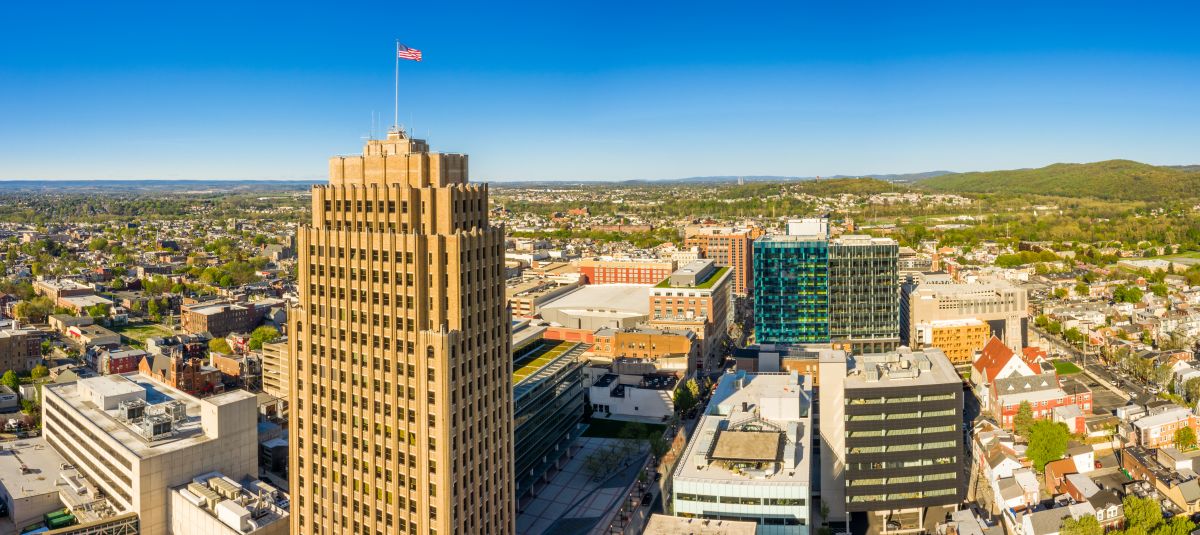
Tree canopy thinning services involve selectively reducing the density and size of tree branches and foliage to improve overall tree health, enhance sunlight penetration, and prevent potential hazards caused by overgrown canopies. These projects typically include removing dead or weak branches, reducing excessive leaf coverage, and shaping the canopy to promote better airflow and growth. Homeowners often request this service to maintain the safety and appearance of their trees, especially in areas where overgrown branches might interfere with structures, power lines, or outdoor activities.
Property owners considering tree canopy thinning should understand that the process requires careful assessment of each tree’s structure and health. It is important to communicate any specific concerns, such as safety issues or aesthetic preferences, before requesting the service. Proper thinning can help prolong the life of mature trees, reduce the risk of storm damage, and improve the overall landscape, making it a valuable maintenance step for preserving the safety and beauty of residential properties.
Many property owners in Allentown, PA look into Tree Canopy Thinning for repairs, replacements, upgrades, and appearance-related improvements.
Common Tree Canopy Thinning Jobs
Tree Canopy Thinning Services - Reduces tree density to improve sunlight penetration and air circulation.
Tree Canopy Thinning - Carefully removes selected branches to promote healthy growth and structure.
Tree Crown Reduction - Lowers the height and spread of trees to prevent interference with structures or power lines.
Selective Branch Removal - Eliminates dead or overgrown branches to enhance tree health and safety.
Canopy Management - Balances tree weight distribution to reduce the risk of storm damage or limb failure.
Tree Thinning Consultation - Provides guidance on maintaining optimal tree shape and health through thinning practices.
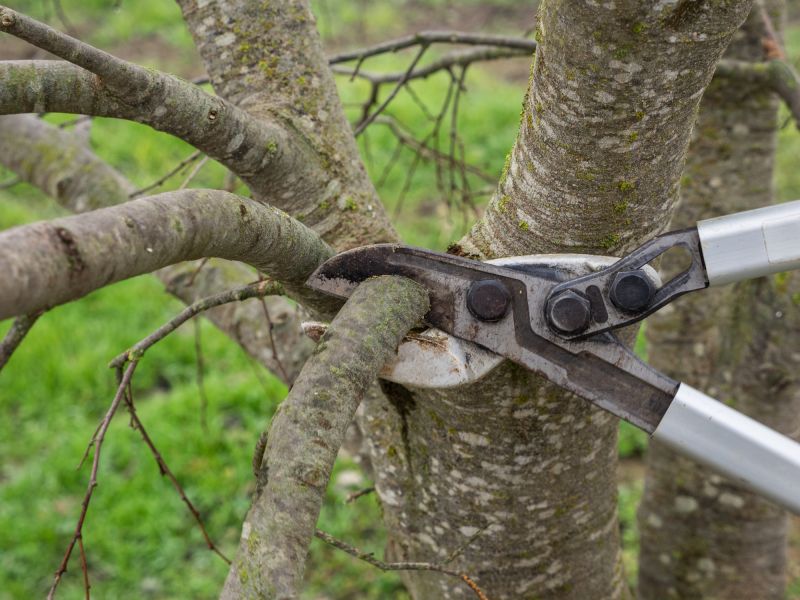
Tree Canopy Thinning Questions
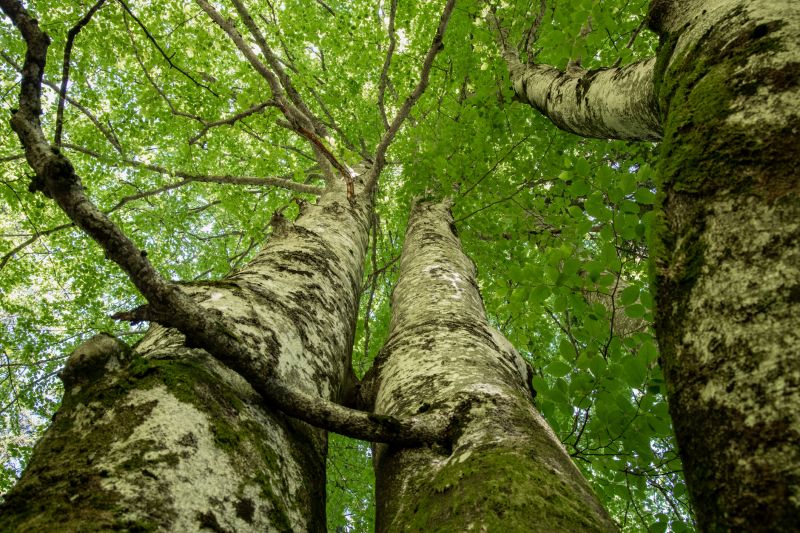
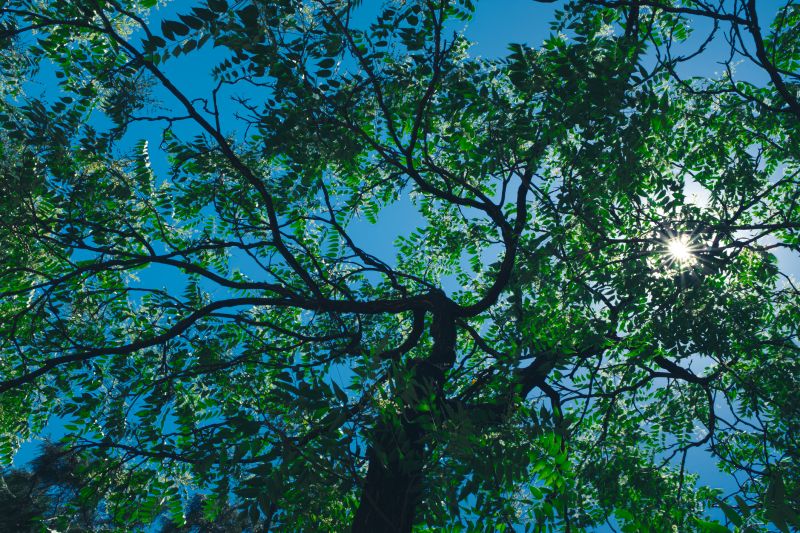
What is tree canopy thinning? Tree canopy thinning involves selectively reducing the density of branches and leaves to improve air circulation and sunlight penetration within the canopy.
Why consider tree canopy thinning? Thinning can help reduce the risk of storm damage, improve tree health, and allow more light to reach the ground.
Does canopy thinning affect tree health? Proper thinning can promote healthier growth by decreasing stress and preventing overcrowding within the tree.
When is the best time for canopy thinning? The ideal time is during the dormant season, typically late fall or winter, when trees are less active.
Request Tree Canopy Thinning in Allentown, PA
Use the quote form on this page to share the basics of your project and request more information for the type of work you need.